Body position is a big part of beer league defense. A few fundamentals show up everywhere, plus a couple of spots on the ice where the job changes.
Net-side (D-side) position
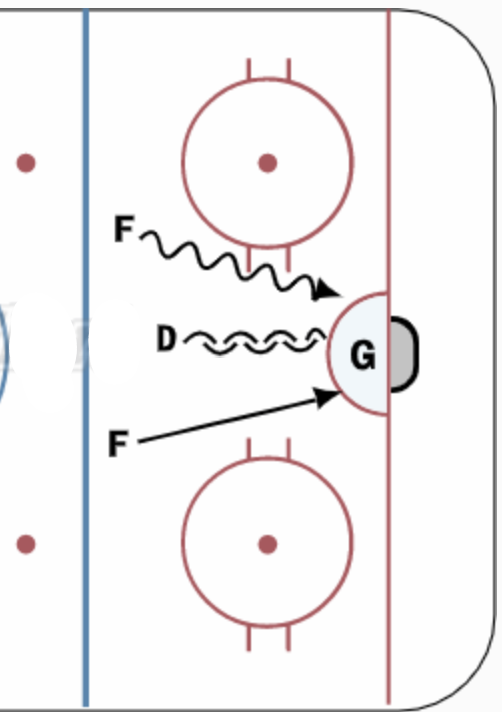
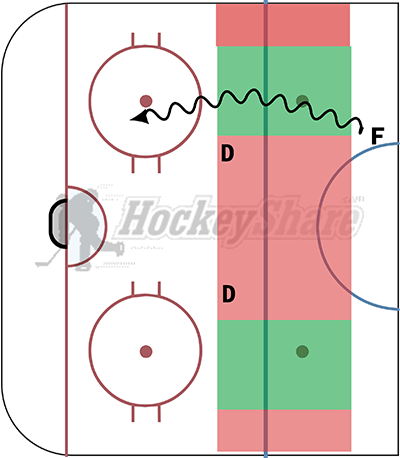
If you played youth hockey, you heard this: stay on the side of the attacker closest to the net. That is D-side (net-side). It is one of the most important defensive habits for anyone in the defensive zone, including wingers.
Stick on stick, body on body
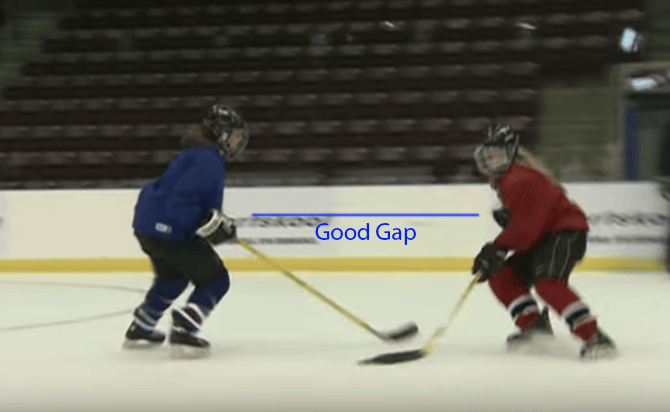
When you defend a rush or engage a puck carrier in your zone, a common mistake is to lunge or dive at the puck. Keep your body centered on the carrier (body on body). Your stick can poke at the puck (stick on stick), but not if that pulls your body out of position.
Alec Martinez (#27) of the Kings shows both well:
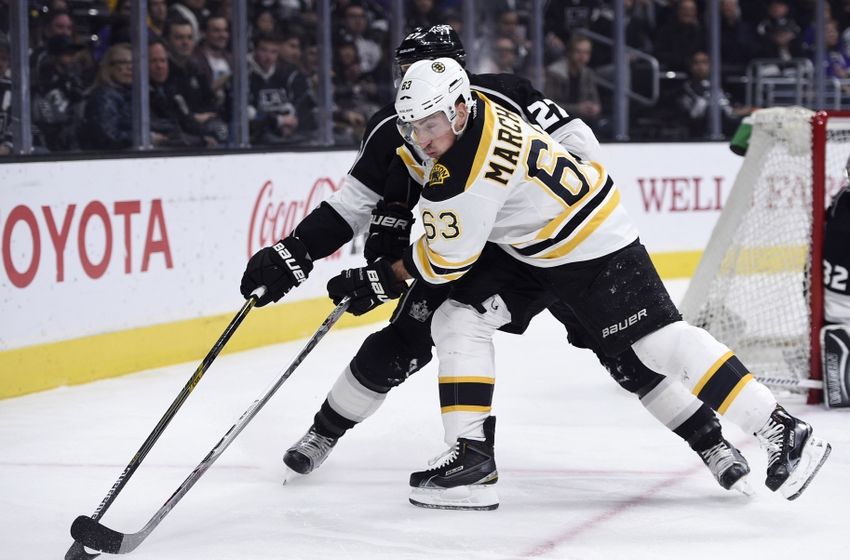
He holds D-side, plays stick on stick, body on body, and shuts down a rush from a top forward (Marchand).
Michal Rozsival is another clean example:
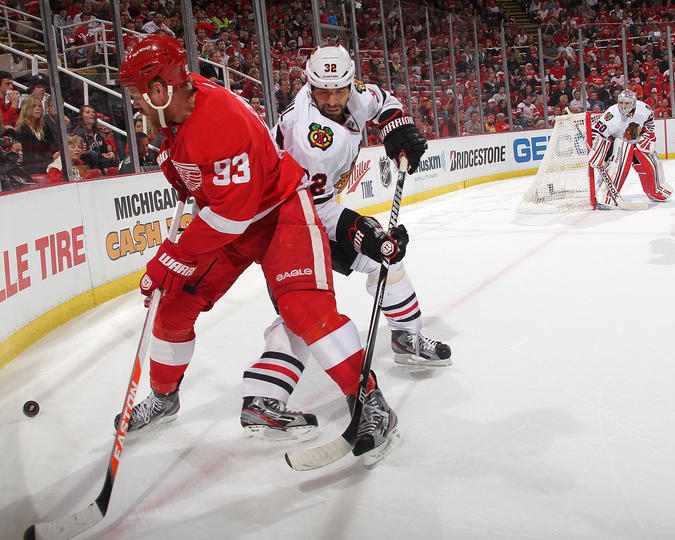
Again: D-side and body on body. Franzen (#93) shields the puck to keep the stick away. If Rozsival gives up body position to reach around, Franzen has a clear move to the net. Staying put contains the forward and makes the pass harder.
Net front
Net front is a special job for defensemen. You engage forwards who are trying to create chaos in the slot.
A few things:
- Keep your D-side.
- Fight for position and vision of the puck.
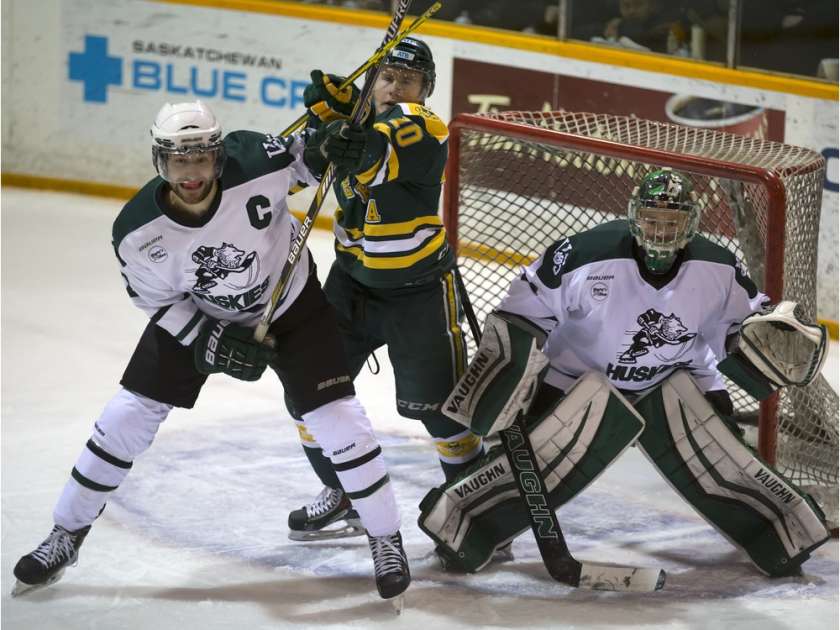
- Control the body, but do not get tied up until the puck is heading your way.
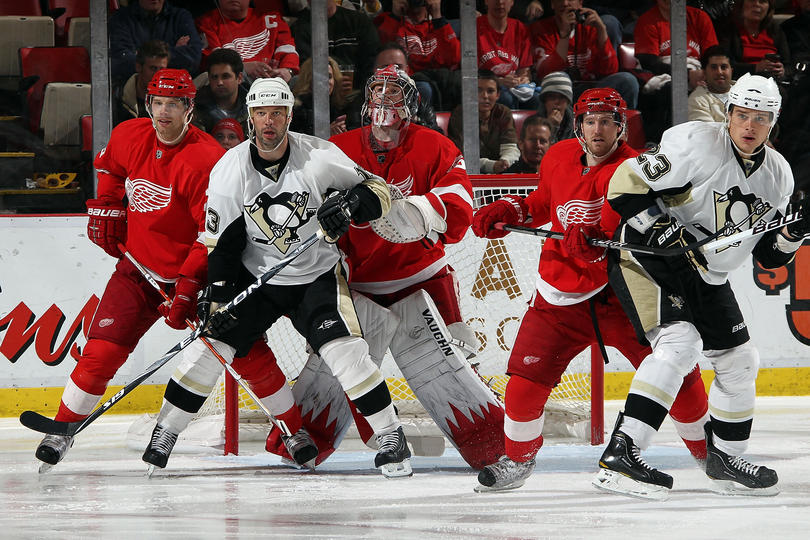
When the puck is en route or loose in front, tie up the man. Do not let his stick touch the ice.
Quick checklist
- Stay D-side (net-side) on the attacker.
- Body on body; stick on stick without diving out of position.
- Net front: fight for vision, do not tie up early.
- When the puck arrives, tie up and lift the stick.
Bottom line
Stay between the attacker and the net, keep your body square, and save the full tie-up for when the puck is coming. That habit wins more battles than lunging at the puck.
That is easier when the same D pairs show up every week. If sorting out who is in still happens in a group text, that is what RosterFX is for.
Keep reading: Defensive Puck Movement · Defensemen: Playing the 2v1 Rush · Net-Front and Slot Habits · More Hockey 101